Category: General

  • Independent overview of industrial wastewater challenges

    Independent overview of industrial wastewater challenges

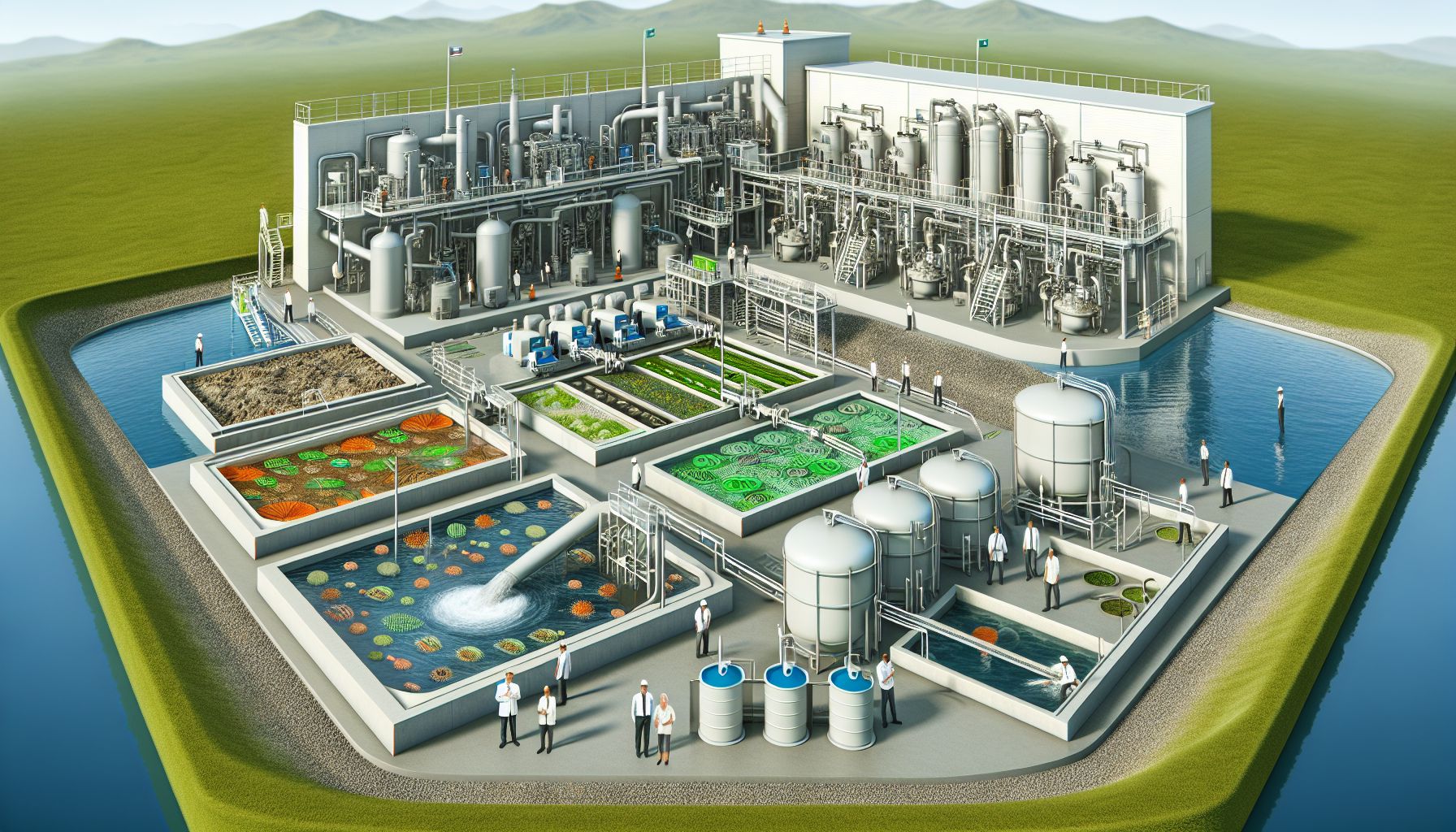
    Industrial wastewater management is a critical element in the process for many industries. This is due to its impact both on the environment and the sustainability of operations. However, implementing effective and sustainable wastewater treatment can present significant challenges.

    The Nature of Industrial Wastewater

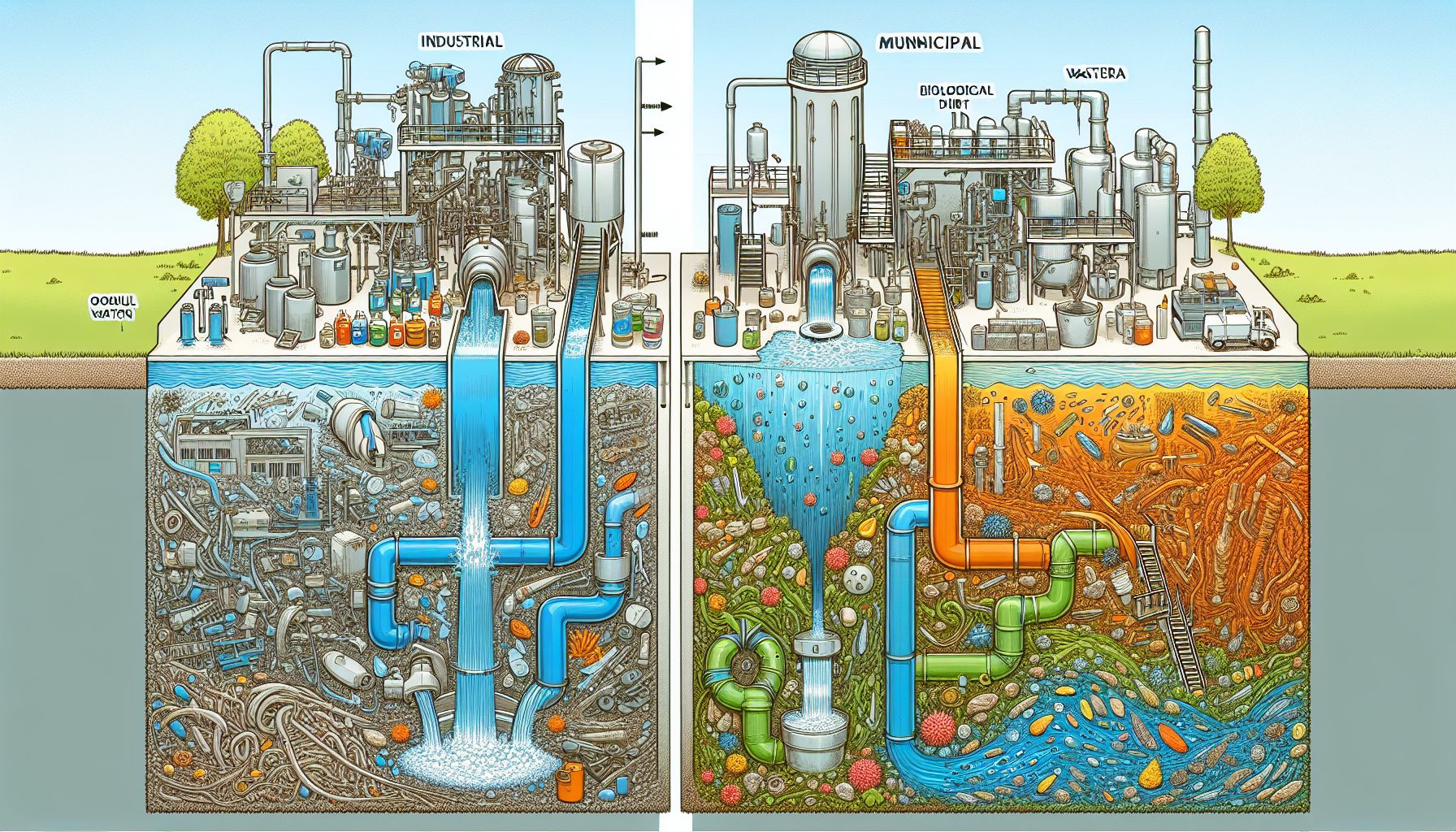
    Every process within an industry generates wastewater which, by its nature, can contain chemicals, residue from the raw materials used or even by-products of the manufacturing process. This wastewater is not suitable for the traditional sewage system and its treatment requires different processes, which are typically complex and cost-intensive.

    The specific composition of industrial wastewater can vary greatly depending on the industry. For example, the food and beverage industry generates wastewater rich in organic substances, while metal manufacturing processes often generate wastewater that contains significant amounts of heavy metals.

    Key Challenges in Industrial Wastewater Management

    Efficient industrial wastewater management demands the balancing of several interconnected aspects, primarily encompassing economic, environmental, and regulatory considerations.

    Economic Aspect

    Executing an effective industrial wastewater treatment process often requires substantial investment. This is primarily due to the requirement for specialized equipment and technology. Furthermore, the operational costs associated with chemical use, energy consumption, and maintenance can significantly impact an organization’s budget.

    Moreover, the rise in global water scarcity and the need for sustainable water usage have led many companies to explore wastewater recycling. This process allows for the reuse of treated wastewater, which can significantly reduce water usage and ultimately save costs. Yet, the advanced technologies required for wastewater recycling further escalate the overall investment.

    Environmental Aspect

    Industrial wastewater, if not treated properly, can lead its detrimental substances to infiltrate into freshwater resources. This can lead to serious environmental hazards, such as water pollution, harm to aquatic life, and damage to ecosystems. In addition, these harmful substances can also affect human health, primarily through the consumption of contaminated drinking water.

    Regulatory Aspect

    Various governments, along with international environmental organizations, have stringent regulations in place that monitor the discharge of industrial wastewater. Companies that don’t comply with these regulations face severe penalties, including fines and revocation of operating licenses. Therefore, it is fundamentally important for industries to remain in compliance with the prevailing regulations, adding to the challenges of managing industrial wastewater.

    Case Study: Pulp and Paper Industry

    The pulp and paper industry offers a concrete example of industrial wastewater management. Companies in this industry generate wastewater containing chlorine and chlorinated organic compounds, including dioxins known for their harmful impacts on both the environment and human health. As a result, the industry faces significant challenges in treating its wastewater to reduce these toxic substances.

    Yet, many pulp and paper companies have made notable strides in improving their wastewater treatment strategies. Through advancements in technology, the industry has reduced its chlorine usage, instead shifting toward chlorine-free bleaching processes. This move has significantly decreased the amount of harmful substances in their wastewater thereby minimizing their environmental impact.

    However, companies still encounter several challenges in wastewater treatment, such as the high costs of adopting new technologies and the technical difficulties of handling higher amounts of solid waste in the wastewater.

    Conclusion

    Industrial wastewater management remains a considerable challenge for many companies, regardless of the industry. By recognizing and addressing these challenges head-on, industries can strive for efficient wastewater treatment that is sustainable, cost-effective, and optimal for the environment.

    To accomplish this goal, industries can gain a lot by actively engaging with and benefiting from vast resources like the water and wastewater knowledge hub and educational platforms managed by major institutes like the Environmental Protection Agency.

    Furthermore, industries can collaborate with technology developers, regulators and environmental organizations to enhance their efforts in innovative wastewater treatment and recycling technologies. This approach can fuel continuous improvement of industrial wastewater management while contributing to global sustainability initiatives.
  • Planning wastewater treatment capacity for industrial growth

    Planning wastewater treatment capacity for industrial growth

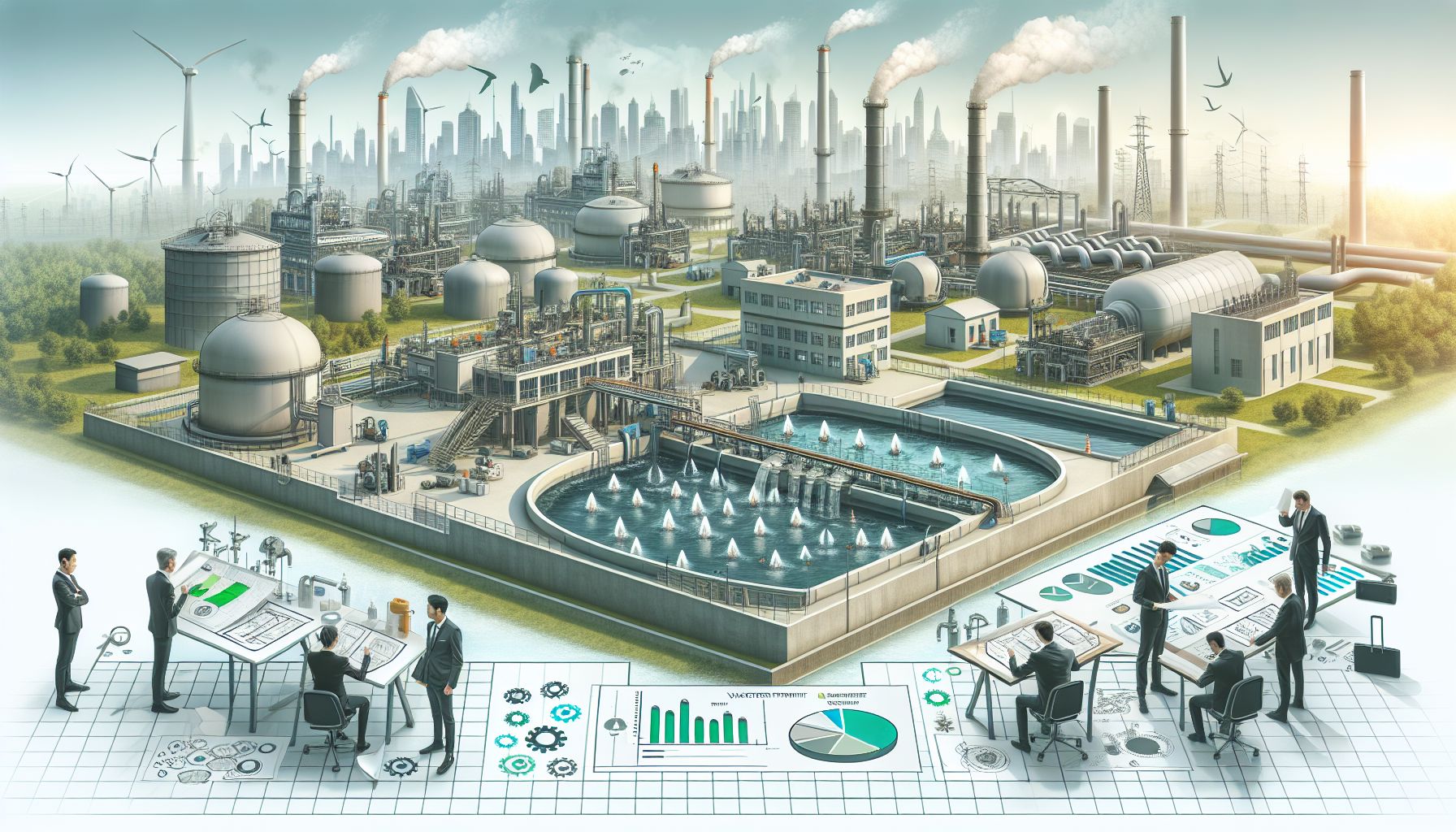
    The process of planning wastewater treatment capacity for industrial growth is a critical component of responsible, sustainable industrialization.

    Understanding The Importance Of Wastewater Treatment In Industrial Settings

    In the context of industrial facilities, wastewater is commonly generated as a by-product of various processes. The treatment of this wastewater is crucial to meet environmental regulations, protect public health, and conserve water resources. If an industrial firm plans to expand or increase its production, the volume of wastewater generated is expected to increase. Therefore, it is necessary to plan for additional wastewater treatment capacity.

    The Role Of Capacity Planning

    Capacity planning is the process of determining the production capacity needed by an organization to meet changing demands for its products or services. It involves proactive planning to assure that an industry can appropriately handle increasing amounts of wastewater given anticipated growth. Apart from ensuring regulatory compliance, it can also drive reductions in operation costs and environmental impacts.

    The Small Business Administration offers excellent capacity planning guidance for businesses of all sizes. It can be applied to diverse business activities, including wastewater treatment.

    Planning Wastewater Treatment Capacity

    There are several steps in planning wastewater treatment capacity:

    1. Estimating future demand: This involves forecasting an increase in wastewater volume based on planned growth and involves an understanding of the relationship between production volumes and wastewater generation.

    2. Evaluating current capacity: Identify the maximum amount of wastewater that current infrastructure can treat effectively.

    3. Bridging the gap: If future demand exceeds current capacity, the business will need to determine how to close that gap. Options might include upgrading existing equipment, adopting more efficient treatment technologies, or building additional treatment facilities.

    Real-World Considerations

    There are a number of real-world considerations that must be taken into account during capacity planning:

    • Regulatory requirements: Regulatory bodies often set strict guidelines on the quality and volume of wastewater that can be discharged. These requirements might change over time due to policy developments or shifts in environmental priorities.

    • Technological advances: New wastewater treatment technologies might emerge that allow for more efficient treatment. Adopting these technologies can improve capacity without hugely expensive infrastructural changes.

    • Sustainability goals: Companies today are also increasingly committed to sustainability initiatives. Efficient wastewater treatment can be a vital part of achieving these environmental objectives.

    Common Issues And Solutions

    One common problem is the underestimation of future wastewater volumes. This can lead to inadequate treatment capacity and non-compliance with regulatory guidelines. A possible solution here is to build flexibility into the capacity planning process. For example, a modular design approach allows for incremental upgrades to match growth.

    Another major issue can be financial constraints. Upgrading wastewater infrastructure can be expensive. In such cases, a possible strategy is incremental investments over time, parallel to the industrial growth.

    There are numerous financial programs available to assist with these costs, such as the Clean Water State Revolving Fund (CWSRF). CWSRFs operate around the country, providing low-interest loans for water quality projects.

    Pros and Cons

    Proactive wastewater treatment capacity planning comes with its own set of advantages and possible drawbacks. Advantages include compliance with regulations, cost savings in the long term, and positive environmental impact. Drawbacks might involve the initial investment cost and the challenges in accurately forecasting future growth.

    Conclusion

    Planning wastewater treatment capacity in line with industrial growth is a vital aspect of business growth strategy. It involves technical, operational, and financial evaluations along with a keen consideration for environmental sustainability. To further optimize this process, businesses can seek guidance from public resources like the Occupational Safety and Health Administration (OSHA), offering valuable information about wastewater treatment for adapting industrial growth.

  • US wastewater treatment market context for industrial operators

    US wastewater treatment market context for industrial operators

    The use and treatment of water in industries are essential aspects of environmental management. Industrial water usage ranges from fundamental processes such as cleaning, cooling, and transportation to more complex applications such as in chemical reactions. Consequently, effective handling of industrial wastewater through proper treatment processes is critical to ensuring sustainability and compliance with environmental regulations.

    Wastewater Management in Industries

    Industries generate sizable volumes of wastewater that must undergo efficient and effective treatment before reaching the environment or being reused. Industrial wastewater management presents unique challenges due to the wide range of pollutants, such as heavy metals, suspended solids, organic matter, and various chemicals. It therefore requires a certain level of expertise and innovative treatment technologies.

    The US wastewater treatment market is a significant industry, driven by tightening environmental regulations and a growing industrial sector. Treatment processes encompass preliminary, primary, secondary, and tertiary processes and are selected based on the nature and concentration of pollutants.

    Regulations Affecting Wastewater Treatment

    In the US, industrial operators face a set of rules and guidelines concerning wastewater management. The Clean Water Act (CWA) enacted by the Environmental Protection Agency (EPA) enforces limits on pollutants discharged from industries to waters. It also sets guidelines for wastewater treatment, requiring industries to obtain permits for discharging wastewater. For more detailed information on regulations affecting wastewater treatment, a helpful resource is the EPA’s guide to effluent guidelines.

    Technologies in Wastewater Treatment

    In response to these regulatory pressures and industry needs, a variety of treatment technologies have been developed and implemented. Common technologies include biological treatment, chemical treatment, physical treatment, and advanced treatment such as membrane processes.

    Biological treatment processes, including activated sludge and trickling filters, utilize microorganisms to break down organic matter. Chemical treatment involves the use of various chemicals to precipitate or neutralize pollutants, while physical treatment involves solid-liquid separation techniques such as sedimentation and flotation. Advancements in membrane technologies have also made it possible to achieve high-efficiency removal of various pollutants.

    Emerging Trends in Wastewater Treatment

    Several trends are shaping the US wastewater treatment market. Here are some worth noting.

    Water Reuse: Industries are increasingly recognizing the value of treating wastewater for reuse. Reclaimed water can be used for non-potable purposes such as cooling, washing, and irrigation, reducing freshwater demand and the impact on water resources.

    Energy Recovery: Wastewater treatment facilities are being designed to recover energy from wastewater, for instance, through biogas production in anaerobic digestion processes.

    Smart Water Management: With the digital revolution, smart water management systems employing advanced sensors, and real-time data analytics are being utilized to optimize operations, reduce costs, and improve treatment efficiency.

    A publication from the Pacific Institute provides insightful information on emerging trends and solutions in industrial water and wastewater use.

    Conclusion

    The US wastewater treatment market is a complex and evolving field, driven by environmental needs, regulatory compliance, advancing technology, and the quest for sustainability. For industrial operators, understanding the market context is key to making informed decisions on wastewater management. As the sector continues to grow, further innovations and trends are expected to shape the future of industrial wastewater treatment.

  • Compliance risks from inadequate industrial pretreatment

    Compliance risks from inadequate industrial pretreatment

    Industrial pretreatment is a crucial process that plays a significant role in mitigating compliance risks related to environmental standards and reducing the negative impact of industrial wastes on public health and the environment. It refers to the treatment or control of industrial pollutants in wastewater before it gets discharged into public treatment facilities. An effective pretreatment program can minimize the risk of damaging the infrastructure of the public treatment facility, ensure environmental compliance, and protect public health.

    However, inadequate industrial pretreatment programs can lead to severe compliance risks. Most notably, they can result in non-compliance with regulations set forth by the Environmental Protection Agency (EPA) and local Publicly Owned Treatment Works (POTWs). To comprehend these risks, we need to understand the overall pretreatment process, its objectives, potential consequences, and necessary precautions.

    Understanding the Industrial Pretreatment Program

    The role of the industrial pretreatment program is to reduce or eliminate pollutants in industrial wastewater that might interfere with the functioning of POTWs or that could contaminate the environment when the treated water is discharged. The environmental compliance enforcement mechanism of the EPA delineates specific standards and guidelines for industrial pretreatment.

    The pretreatment program aims to prevent the discharge of pollutants that could cause physical damage to POTWs including fire, explosion, corrosion, obstruction, and blockage. It also intends to inhibit the release of pollutants that could interfere with wastewater treatment processes or operations, or final disposal practices.

    Practical Implications of Inadequate Pretreatment

    When a factory or an industrial unit fails to comply with pretreatment standards, pollutants in the wastewater can overload the treatment facilities, resulting in partial or total system failure. Expensive repairs, downtime, and legal consequences can follow. Moreover, the compromise of wastewater treatment processes may lead to environmental contamination and public health risks.

    A factory can be subject to significant fines and potential civil litigation for non-compliance with pretreatment standards. Repeated violations can even lead to the termination of permission to discharge industrial waste into public treatment facilities.

    In such situations, the factory might be forced to bear the costs of installing an onsite wastewater treatment facility, which can run into thousands or even millions of dollars, depending on the size of the facility and the volume and nature of pollutants.

    Moreover, infractions can tarnish the image of a factory, leading to loss of customers or ramifications in stock prices, in case of publicly traded companies.

    Examples and Considerations

    Say, a manufacturing facility discharges organic material in excess of what the local POTW can handle. The organic material, mentioned as biochemical oxygen demand in environmental regulatory language, can deplete the oxygen levels in the receiving water body, harming aquatic life.

    Another example is the discharge of heavy metals such as lead or mercury. Without proper pretreatment, these toxic substances can pass through the POTW unchanged and contaminate the environment, posing serious health risks.

    With the increasing potential environmental impacts and health risks, it’s crucial for an industry to closely follow the necessary pretreatment practices.

    Role of Inspection and Monitoring

    Inspection and monitoring play a vital role in ensuring compliance with industrial pretreatment standards. Agencies like the EPA routinely conduct inspections and sampling to ensure the standards are met.

    Using the results from inspections and monitoring, enforcement actions can be taken against industries violating pretreatment standards. These can range from notices of violations, fines, compliance orders, all the way to revocation of permits and legal actions.

    To ensure ongoing compliance with pretreatment standards, industries should engage in regular self-monitoring and maintain up-to-date information about local, state, and federal wastewater regulations. They should also invest in regular training for employees responsible for wastewater management.

    Conclusion

    Ignoring or underestimating industrial pretreatment can expose an industry to significant compliance risks. Understanding and implementing effective pretreatment processes can significantly reduce these risks. By proactively approaching industrial pretreatment, industries can contribute to a safer and healthier environment, while also protecting their financial and operational viability.

    Proactive industrial pretreatment programs can curb pollution and the consequences that come with it. They make good business sense, and it’s sound environmental stewardship.

  • Common equipment selection mistakes in industrial facilities

    Common equipment selection mistakes in industrial facilities

    Industrial facilities, whether in manufacturing, processing, or distribution, rely heavily on various types of equipment to effectively perform their operations. However, when acquiring new machinery, many facilities make common mistakes. These errors can lead to efficiency losses, operational disruptions, increased costs, and even safety risks. Here is an overview of common equipment selection mistakes and how to avoid them.

    Ignoring Energy Efficiency Aspects

    When selecting industrial equipment, organizations often focus on the machinery’s key operational characteristics – such as capacity, speed, and flexibility – while neglecting energy efficiency. Equipment that uses power inefficiently can greatly increase the facility’s energy costs and environmental impact. Energy-efficient equipment can deliver considerable long-term savings and comply with sustainability regulations.

    The U.S. Department of Energy provides extensive industrial equipment efficiency guidance to help organizations select energy-smart machinery. Ignoring this aspect in the decision-making process can lead to overlooked opportunities for operational and cost improvements.

    Neglecting Long-term Operational Costs

    Another common mistake is focusing solely on the purchase price while ignoring the long-term operational cost of the equipment. The lifecycle costs of industrial machinery often significantly exceed their initial purchase price. These include energy costs, maintenance, parts replacements, repairs, downtime, and disposal. Focusing too much on the upfront cost might lead to purchasing equipment that is expensive to maintain and operate in the long term.

    Not Matching Equipment to Actual Operational Requirements

    There is often a tendency to oversize equipment – for example, buying a machine with a higher capacity or speed than necessary. This mistake can lead to higher purchase and operational costs, wasted capacity, and increased wear and tear. On the other hand, undersized equipment might not meet operational requirements, leading to productivity issues.

    Before purchasing, it’s important to clearly define operational requirements and select equipment that closely matches these needs. Accurate data about the process or requirements can help; resources like the National Institute of Standards and Technology can provide helpful industrial standards and guidelines in this regard.

    Overlooking Training and Safety Considerations

    Industrial equipment often requires trained operators to function safely and efficiently. Overlooking the need for training when selecting new machinery can lead to multiple issues, including operational inefficiencies, equipment mishandling, and safety incidents.

    Safety is another often-overlooked factor. Equipment that is difficult to use safely can lead to employee injuries and regulatory violations. The Occupational Safety and Health Administration provides safety guidelines for various forms of industrial equipment.

    Ignoring Future Needs

    In the rapidly advancing industrial sector, selecting equipment solely based on current needs can lead to suboptimal decisions. Rapid technological advances mean that equipment could become rapidly outdated and unable to meet future requirements. While difficult to predict with certainty, organizations should consider likely future needs, such as expanding output, diversifying their product or service offerings, or meeting evolving safety and environmental regulations, when selecting equipment.

    Conclusion

    Avoiding these common mistakes in equipment selection can help resource-intensive industrial facilities maintain their operational efficiency and financial performance while complying with safety and environmental regulations. Being mindful of the complete equipment lifecycle, from acquisition through operation and disposal, is key to making informed, effective equipment selection decisions. Thoughtful consideration of current and likely future needs can result in cost savings and greater equipment utility, enhancing the overall success of an industrial facility.

  • Managing variable industrial wastewater loads over time

    Managing variable industrial wastewater loads over time

    Managing variable industrial wastewater loads is critical to waste treatment outcomes and helps companies meet regulatory compliance and sustainability goals. To accomplish this, it involves monitoring the quantity and quality of industrial wastewater, understanding factors contributing to variability, and employing appropriate technologies for effective treatment.

    Understanding Water Flow Variability

    Industrial flow variability refers to the changes in the quantity and composition of industrial wastewater over a given period. This variability can occur daily, seasonally, or even within a single day. For instance, a meat-processing facility may produce wastewater with high organic loads during the operation, but during breaks or non-working hours, the wastewater amount and composition change considerably.

    The US Geological Survey provides detailed industrial flow variability data that categorizes industrial sectors by their water use and wastewater characteristics. A thorough understanding of the facility’s flow variability helps plan for better wastewater management practices.

    Factors Influencing Wastewater Variability

    Variability in the wastewater is influenced by several factors. For instance, production cycles that fluctuate based on demand can lead to changes in the quantity and quality of wastewater produced. Similarly, the use of different raw materials can lead to significant changes in wastewater composition.

    Maintenance and cleaning operations can also introduce a sudden surge of pollutants into the wastewater stream. Irregular events such as spills or process disruptions can lead to variability not typically present in the everyday functioning of the industry.

    Understanding the potential causes of variability allows industries to plan for and manage the changes in wastewater loads more effectively.

    Impacts of Variability

    Industrial wastewater variability can significantly impact the performance and efficiency of the treatment processes. For example, if the wastewater load increases unexpectedly, some treatment plants may not have the capacity to handle the surge. This could lead to untreated wastewater discharges, resulting in environmental damage and regulatory non-compliance penalties.

    Variability can also impact treatment costs. High organic load can create a demand for more chemicals or energy for treatment, leading to increased operational expenses. Therefore, managing variability becomes crucial to optimizing treatment efficiency and control costs.

    Managing Wastewater Variability

    The first step in managing variability is the regular monitoring of wastewater flows and characteristics. Advanced technologies such as online sensors and automating sampling techniques can provide real-time data, enabling the timely detection of variations.

    Pre-treatment is another viable option to manage variability. Processes like equalization, where water is stored temporarily to balance out the fluctuations, can be employed effectively. However, it is crucial to consider the facility’s space and financial constraints while implementing these systems.

    Biotechnological solutions, such as the use of microorganisms to digest organic waste, can also be beneficial. A case study by the EPA demonstrates the success of these solutions in industries with significant organic waste loads. The flexibility and adaptability of these systems allow for better management of variable loads.

    Another strategy is to reduce the variability source, for instance, by avoiding the simultaneous discharge from various production processes or controlling the rate of production. Additionally, training staff and implementing spill containment measures can prevent variability caused by irregular events.

    The Role of Regulations in Variability Management

    Regulative bodies play a significant role in managing wastewater variability. Rules limiting the maximum contaminant discharges help keep the variability within the permissible range. Consistent monitoring and periodic reporting requirements enforced by regulation can foster industries to better manage their wastewater.

    Conclusion

    Managing variable industrial wastewater loads is a challenge well worth tackling for a more sustainable future. It ensures compliant discharge rates and reduces negative environmental impacts. By understanding the causes of variability and developing a strategy, industries can effectively control variable loads and optimize their treatment methods. Lastly, The Water Research Foundation is an excellent resource for further reading and case studies on managing industrial wastewater loads. The examples and research discussed can provide insights into real-world applications of the strategies discussed above.

  • Cost drivers in industrial wastewater treatment projects

    Cost drivers in industrial wastewater treatment projects

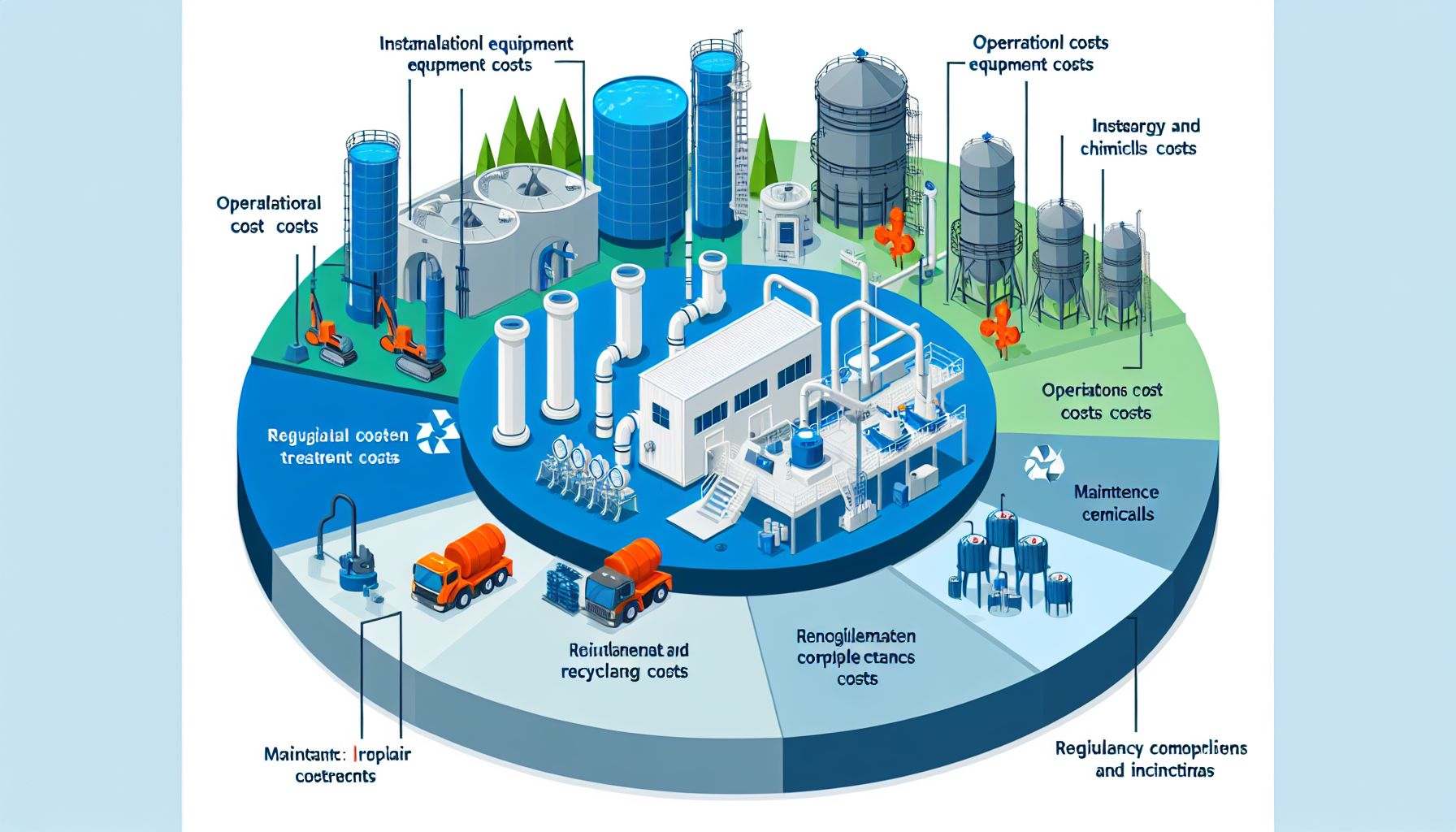
    Industrial wastewater treatment strategies vary, running the gamut from physical treatments to complex biological and chemical processes. The factors driving costs in industrial wastewater treatment projects extend beyond just the required technologies. These include regulatory compliance, industrial sector, geographic location, and the scale of operation. Each parameter tends to affect ongoing operational expenditure and upfront project development costs. Understanding these cost drivers provides a window into how companies can control and predict treatment expenses.

    Regulatory Compliance

    Regulatory compliance is a critical consideration when gauging costs associated with industrial wastewater treatment projects. Industry operators usually have to meet federal, state, and local regulations when treating and disposing of wastewater. The nature of these regulations often determines the required treatment methodologies, thereby influencing overall project costs.

    Key regulatory requirements include pre-treatment standards set up by the Environmental Protection Agency (EPA), specific limitations on pollutant discharges (effluent guidelines), and overarching water quality standards. Stringent wastewater discharge limits often necessitate more sophisticated treatment processes and technologies, resulting in higher costs. Deciphering the relationship between regulations and cost implications in wastewater treatment becomes highly essential. The National Academy of Sciences does present a range of industrial infrastructure cost studies articulating these relationships.

    Industrial Sector

    The industrial sector is another key determinant of wastewater treatment costs. Different industries generate distinct types of wastewater. For instance, a food processing plant may generate organic waste, non-toxic byproducts, and impurities. In contrast, a chemical plant may discharge wastewater loaded with toxic and non-biodegradable pollutants.

    The variety of pollutants dictates the treatment methods required, the level of pre-treatment needed, and, consequently, the project cost. For example, food processing plants can often employ biological treatments, which are generally more cost-effective. Meanwhile, chemical plants may have to resort to more complex physicochemical treatments that attract higher costs.

    Geographic Location

    The location of the industrial facility plays a crucial role in determining wastewater treatment costs. Variables such as local wastewater regulations, climate, and proximity to disposal sites or water bodies can significantly impact costs.

    In regions with stringent local wastewater regulations, industries might face higher costs to ensure compliance. Areas with colder climates may incur increased operational expenditure, considering that temperature sensitivity affects most biological and physicochemical treatment processes. For facilities located far from disposal sites, transportation costs become an added expense.

    Scale of Operations

    The scale of operations significantly influences the cost profile of industrial wastewater treatment projects. Larger facilities typically have higher volumes of wastewater to manage, thus necessitating more extensive treatment infrastructure. This situation could lead to elevated capital expenditure for large-scale projects.

    Nevertheless, economies of scale can come into play. For instance, a larger plant treating substantial wastewater volumes might achieve lower costs per unit of wastewater treated compared to a smaller facility. Conversely, smaller projects may face disproportionately high costs due to the fixed nature of certain expenses such as regulatory compliance and licensing fees, regardless of the amount of wastewater treated.

    Technological Choices

    Technological choices can be one of the most direct and significant influences on costs for industrial wastewater treatment projects. Factors for consideration include the required level of treatment, established expertise, and the need for flexibility in treating different waste streams.

    For instance, more conventional technologies like activated sludge processes offer reasonable treatment proficiency but may demand large aeration tanks and other infrastructure, thus increasing costs. In contrast, advanced technologies like membrane bioreactors might command higher capital investment but could offer more efficient pollutant removal or beneficial wastewater reuse opportunities.

    Thus, the decision on treatment technology becomes a strategic balance between project goals, cost constraints, efficiency, and sustainability of the solution.

    Overall, the cost drivers in industrial wastewater treatment are multifaceted. They range from external factors like regulations and geographic location to the business’s industrial sector and strategic decisions regarding technology deployment. Individuals and companies planning wastewater treatment projects must carefully consider these factors when estimating costs and setting budgets. Such understanding could significantly influence project design, technology selection, operational efficiency, and ultimately, cost-effectiveness.

  • Selecting industrial wastewater treatment systems for compliance

    Selecting industrial wastewater treatment systems for compliance

    Industrial wastewater treatment is an essential component of many manufacturing processes. Discharges from factories, power plants, and other industries can contain pollutants harmful to both human health and the environment. Strict government regulations necessitate a comprehensive industrial wastewater treatment system to ensure wastewater complies with laws and guidelines.

    Understanding the Basics

    Manufacturing processes such as cleaning, dying, cooling, or chemical synthesis generate various types of industrial wastewater. Each facility will produce wastewater with different characteristics, so understanding your specific needs is vital. A beverage manufacturer, for example, will produce different wastewater than a metal processing plant, and therefore require different treatment methods

    Identifying Legal Requirements

    There are strict federal and state regulations in the US governing how industries manage and treat their wastewater. The Clean Water Act, and additional state regulations, mandate that industrial facilities must have a National Pollutant Discharge Elimination System (NPDES) permit if they discharge wastewater directly into a lake, river, stream or ocean. This permit limits the amount of pollutants that can be in the water discharged, and requires regular monitoring and reporting to the Environmental Protection Agency (EPA).

    It’s also important to understand your specific industry’s compliance requirements. For instance, the Food and Beverage industry and the Pharmaceutical industry have unique requirements for water quality and safety.

    When selecting your system, you should therefore prioritize solutions that will ensure your compliance with these standards.

    Choosing the Right Industrial Wastewater Treatment System

    There are numerous industrial wastewater treatment solutions available. However, not all of these will be applicable or beneficial for your specific needs.

    Mechanical or physical systems, for example, are best suited to removing solids or sediment from wastewater before it is discharged, while biological systems use organisms to break down organic contaminants. Chemical treatments, meanwhile, involve adding chemicals to alter the wastewater’s pH, reduce bacteria levels or remove specific contaminants.

    Understanding the exact nature of your wastewater, and which contaminants must be removed to meet compliance, will help you single out suitable systems.

    Cost and Operational Considerations

    Beyond compliance, other important factors to consider when choosing your wastewater treatment system include cost and ease of operation. Upfront cost is a major aspect – systems requiring significant infrastructure development will have higher initial costs.

    However, it’s essential to also consider long-term operating costs. Operations, maintenance and compliance monitoring, as well as possible compliance violation fines, could potentially add up to a significant sum.

    Ease of operation is equally important. While complex systems may offer higher levels of treatment, their complexity could lead to greater chances of operator error and consequent non-compliance. Therefore, you may want to opt for simpler, more reliable systems if your compliance needs allow.

    Working with an Expert

    Given the potential complexities of industrial wastewater treatment and the legal requirement for compliance, partnering with an expert in the field can be invaluable. They can assist you with accurately identifying the nature of your wastewater, system selection, installation and operational training – all crucial to maintaining compliance.

    Industrial wastewater treatment is not a ‘one size fits all’ process. Understanding your specific wastewater characteristics, compliance requirements, and operational needs will guide you in selecting the right system. Remember that compliance is key, and working with an expert will ensure that you navigate these requirements effectively.

    [^1^]: Industrial Wastewater Treatment – Syracuse University

  • Pretreatment failures that trigger regulatory enforcement

    Pretreatment failures that trigger regulatory enforcement

    Pretreatment processes are vital stages in the management and regulation of wastewater. They serve to protect both public health and the environment by ensuring that harmful pollutants are removed before industrial wastewater is discharged into local water bodies. However, when these process fail, they can trigger regulatory enforcement.

    What is Pretreatment?

    In the context of wastewater management, pretreatment refers to the reduction or removal of pollutants in industrial wastewater before they are discharged. The goal is to prevent the introduction of pollutants that could pass undeterred through a municipal wastewater treatment plant, with potential damage to the environment or human health.

    According to the United States Environmental Protection Agency, “The pretreatment program requirements focus on industrial users that discharge to Publicly Owned Treatment Works (POTWs). POTWs treat domestic, commercial, and industrial wastewaters before they are released into the environment.” In other words, all industries that release waste into the public sewage system are required to pretreat their wastewater in accordance to EPA regulation.

    Failures in Pretreatment Processes

    There are several ways in which pretreatment processes could fail, triggering regulatory enforcement. These failures could result from mechanical issues, personnel errors, or operational malfunctions.

    Mechanical Failures

    Mechanical failures can occur in any component of the pretreatment system, from pumps and valves to filtration or sedimentation units. Aging infrastructure is a common cause of mechanical failure, as elements degrade over time and require repair or replacement.

    For example, a pump failure could prevent the efficient removal of suspended solids, while a malfunctioning filtration unit could allow harmful substances to pass through into the sewer system.

    Personnel Errors

    Well-trained personnel are critical to the successful operation of pretreatment systems. Mistakes made by staff, whether due to lack of training, carelessness, or misunderstanding, could result in significant pretreatment failures.

    Examples of personnel error may include improperly calibrating equipment, neglecting regular inspections and maintenance, or not adequately monitoring the quality of the pretreated water.

    Operational Malfunctions

    Operational malfunctions may occur when processes are not organized or managed effectively. This can happen when schedules are not adhered to and routine maintenance and checks are delayed or ignored. Additionally, unpredictable situations such as accidents or emergencies can cause disruptions that result in a failure of the pretreatment process.

    Impacts of Pretreatment Failures

    The consequences of pretreatment failures are not only harmful to the environment, but also carry significant financial implications for the businesses involved. These can include regulatory fines, cost of repairing damage to the POTW, and potential liability for any environmental damage.

    Regulatory Enforcement

    When patterns of high pollutant levels are detected in wastewater discharges, this may trigger an investigation by regulatory bodies. If the source of these pollutants is traced back to an industry’s pretreatment processes, regulatory enforcement follows.

    Enforcement may include warnings, fines, or legal action to ensure the industry complies with pretreatment program requirements, and corrects any flaws in its pretreatment processes.

    Prevention and Compliance

    Prevention of pretreatment failures is essential to avoid legal penalties, environmental damage, and associated costs. Regular system checks, maintenance, and proactive repairs can prevent mechanical breakdowns. Increased education and training for industry personnel on proper operation and maintenance of pretreatment systems can decrease the risk of errors.

    It’s important to remember, compliance with pretreatment program requirements isn’t just about adhering to the law. It’s about upholding a commitment to protect our environment, and the health and safety of the public. By understanding the causes of pretreatment failures, industries can better work to prevent them and ensure ongoing compliance.

  • Why industrial wastewater is harder to treat than municipal flows

    Why industrial wastewater is harder to treat than municipal flows

    Understanding Industrial Wastewater

    Industrial wastewater is water that has been contaminated by industrial or commercial activities, and includes both water from production processes and runoffs. It often contains hazardous substances, pollutants, or other potential contaminants that are harmful to both human health and the environment. This makes industrial wastewater more challenging to treat than municipal flows.

    Treating this water is necessary to remove harmful substances before it re-enters the hydrological cycle. However, due to the high variability of toxins and contaminants present in industrial wastewater, the treatment process is more complex and demanding.

    According to the industrial wastewater guidance from the Environmental Protection Agency, variability in pollutant concentration and types significantly adds to the challenge as industries differ in their wastewater characteristics.

    The Complex Composition of Industrial Wastewater

    Industrial wastewater can be derived from various sources like the petrochemical sector, pharmaceutical industry, mining, power generation, and much more.

    Depending on the industry type, the wastewater generated might contain organic pollutants, inorganic compounds, heavy metals, toxic substances, bacteria, and radiological hazards. This variety in pollutants not only manifests in industrial wastewater’s more arduous treatment process but also increases the risk associated with improper disposal.

    By contrast, municipal wastewater mainly consists of domestic sewage from households, containing organic pollutants like fats, oils, and grease, as well as nutrients like phosphorus and nitrogen from human waste.

    The Challenges in Treating Industrial Wastewater

    Different pollutants require specific treatment techniques, which make the handling of industrial wastewater tougher and more time-consuming compared to municipal wastewater.

    For instance, wastewater from metal industries will have heavy metals like lead, mercury or cadmium. These substances can be toxic, even in tiny amounts and require chemical treatments like precipitation, ion exchange or reverse osmosis to remove.

    Some industries also produce wastewater that contains resistant pathogens or high concentrations of resistant microorganisms. Such pathogens cannot be eradicated by simply applying conventional wastewater treatments and need additional procedures like ultraviolet sterilization.

    Combined with the sheer amount of wastewater industries can generate and the need for constant water supply, these factors intensify the challenges involved in treating industrial wastewater.

    The Impact of Different Regulations

    The regulations for treating wastewater also significantly differ between industries and municipalities, as governed by the Clean Water Act or the Resource Conservation and Recovery Act, among others.

    For example, some industrial facilities are required to treat their wastewater to a certain extent before discharging it to a municipal sewage treatment plant. However, the acceptable levels of pollutants that can be discharged vary and are specific to each industry based on their potential to pollute.

    On the other hand, municipal wastewater discharges are more standardized, limited to domestic sewage and a few other types, making the regulatory compliance and treatment process simpler comparatively.

    The Need for Advanced Technology

    High concentrations of different types of pollutants in industrial wastewater demand more advanced and specialized treatment technologies which may not always be readily available or feasible to implement due to high costs or technical limitations.

    Whether it’s using bioreactors to treat organic waste or reverse osmosis for salt removal from wastewater, the need for such advanced technologies makes the treatment of industrial wastewater complex and costly compared to municipal wastewater.


    In conclusion, the treatment of industrial wastewater is far more complex than that of municipal wastewater due to several reasons, including the variability of pollutants, specialized treatment requirements, stricter regulations, and the need for advanced technology. The impacts of not effectively treating this wastewater can be considerable, with serious consequences for both human and environmental health.

    Understanding these challenges is crucial to develop and implement effective strategies that help industries comply with regulations and ensure the sustainable management of water resources, an issue that is central to everyone’s well-being and future survival. Further study and continuous research are key to advancing in this important field. For more on this subject, refer to the US Geological Survey and National Institute of Environmental Health Sciences websites.