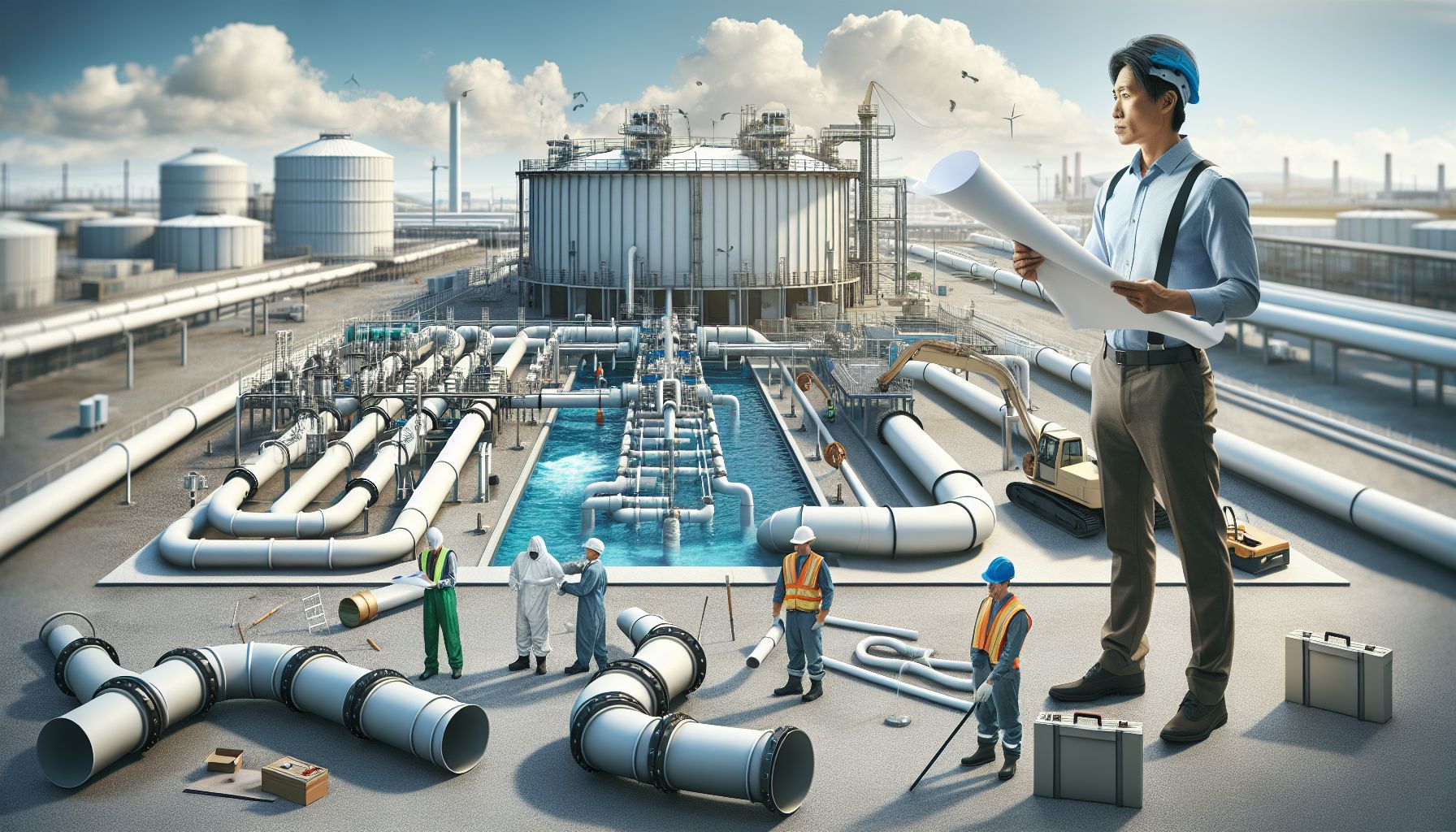
The use and treatment of water in industries are essential aspects of environmental management. Industrial water usage ranges from fundamental processes such as cleaning, cooling, and transportation to more complex applications such as in chemical reactions. Consequently, effective handling of industrial wastewater through proper treatment processes is critical to ensuring sustainability and compliance with environmental regulations.
Wastewater Management in Industries
Industries generate sizable volumes of wastewater that must undergo efficient and effective treatment before reaching the environment or being reused. Industrial wastewater management presents unique challenges due to the wide range of pollutants, such as heavy metals, suspended solids, organic matter, and various chemicals. It therefore requires a certain level of expertise and innovative treatment technologies.
The US wastewater treatment market is a significant industry, driven by tightening environmental regulations and a growing industrial sector. Treatment processes encompass preliminary, primary, secondary, and tertiary processes and are selected based on the nature and concentration of pollutants.
Regulations Affecting Wastewater Treatment
In the US, industrial operators face a set of rules and guidelines concerning wastewater management. The Clean Water Act (CWA) enacted by the Environmental Protection Agency (EPA) enforces limits on pollutants discharged from industries to waters. It also sets guidelines for wastewater treatment, requiring industries to obtain permits for discharging wastewater. For more detailed information on regulations affecting wastewater treatment, a helpful resource is the EPA’s guide to effluent guidelines.
Technologies in Wastewater Treatment
In response to these regulatory pressures and industry needs, a variety of treatment technologies have been developed and implemented. Common technologies include biological treatment, chemical treatment, physical treatment, and advanced treatment such as membrane processes.
Biological treatment processes, including activated sludge and trickling filters, utilize microorganisms to break down organic matter. Chemical treatment involves the use of various chemicals to precipitate or neutralize pollutants, while physical treatment involves solid-liquid separation techniques such as sedimentation and flotation. Advancements in membrane technologies have also made it possible to achieve high-efficiency removal of various pollutants.
Emerging Trends in Wastewater Treatment
Several trends are shaping the US wastewater treatment market. Here are some worth noting.
Water Reuse: Industries are increasingly recognizing the value of treating wastewater for reuse. Reclaimed water can be used for non-potable purposes such as cooling, washing, and irrigation, reducing freshwater demand and the impact on water resources.
Energy Recovery: Wastewater treatment facilities are being designed to recover energy from wastewater, for instance, through biogas production in anaerobic digestion processes.
Smart Water Management: With the digital revolution, smart water management systems employing advanced sensors, and real-time data analytics are being utilized to optimize operations, reduce costs, and improve treatment efficiency.
A publication from the Pacific Institute provides insightful information on emerging trends and solutions in industrial water and wastewater use.
Conclusion
The US wastewater treatment market is a complex and evolving field, driven by environmental needs, regulatory compliance, advancing technology, and the quest for sustainability. For industrial operators, understanding the market context is key to making informed decisions on wastewater management. As the sector continues to grow, further innovations and trends are expected to shape the future of industrial wastewater treatment.