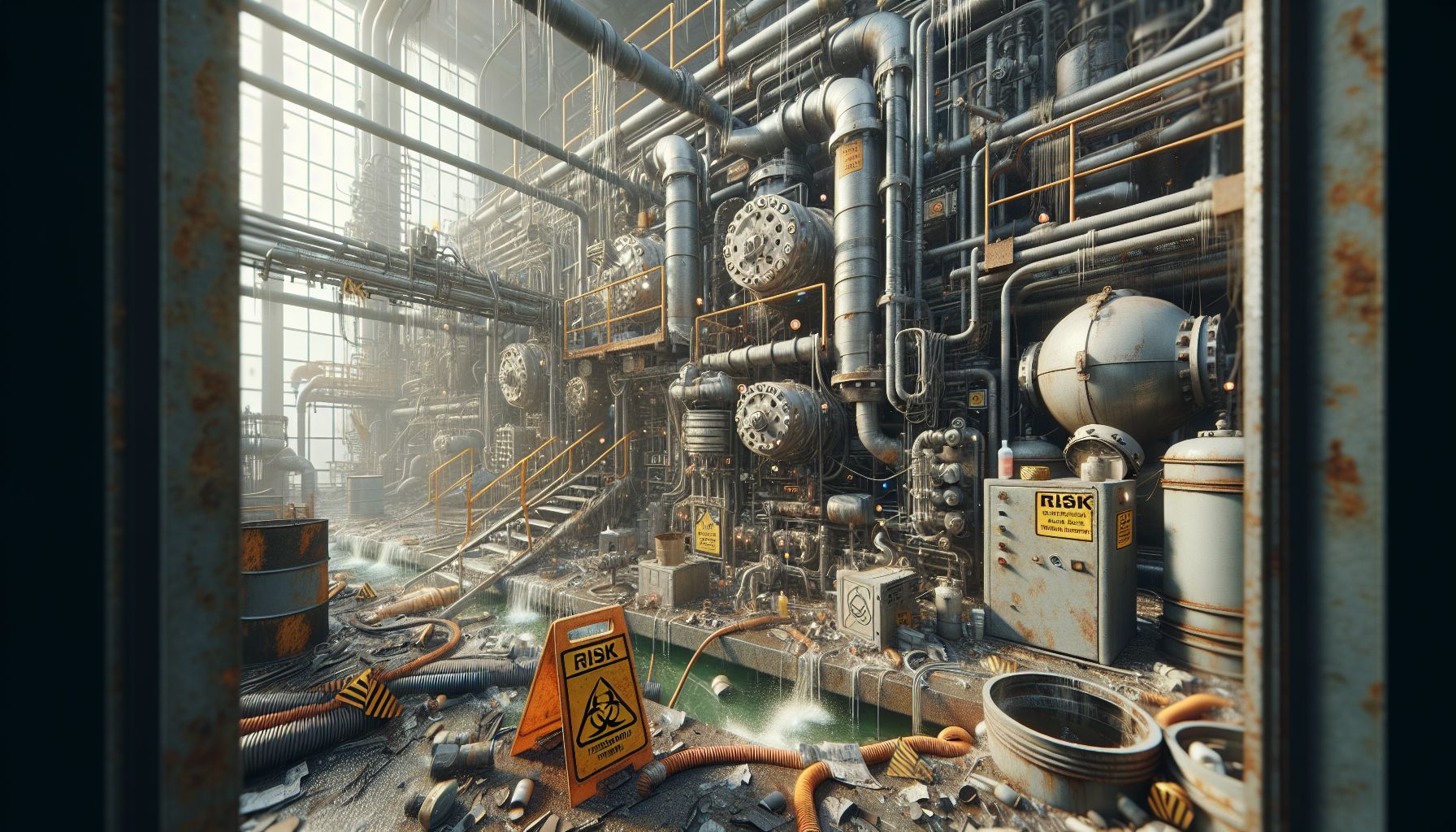
Industrial pretreatment is a crucial process that plays a significant role in mitigating compliance risks related to environmental standards and reducing the negative impact of industrial wastes on public health and the environment. It refers to the treatment or control of industrial pollutants in wastewater before it gets discharged into public treatment facilities. An effective pretreatment program can minimize the risk of damaging the infrastructure of the public treatment facility, ensure environmental compliance, and protect public health.
However, inadequate industrial pretreatment programs can lead to severe compliance risks. Most notably, they can result in non-compliance with regulations set forth by the Environmental Protection Agency (EPA) and local Publicly Owned Treatment Works (POTWs). To comprehend these risks, we need to understand the overall pretreatment process, its objectives, potential consequences, and necessary precautions.
Understanding the Industrial Pretreatment Program
The role of the industrial pretreatment program is to reduce or eliminate pollutants in industrial wastewater that might interfere with the functioning of POTWs or that could contaminate the environment when the treated water is discharged. The environmental compliance enforcement mechanism of the EPA delineates specific standards and guidelines for industrial pretreatment.
The pretreatment program aims to prevent the discharge of pollutants that could cause physical damage to POTWs including fire, explosion, corrosion, obstruction, and blockage. It also intends to inhibit the release of pollutants that could interfere with wastewater treatment processes or operations, or final disposal practices.
Practical Implications of Inadequate Pretreatment
When a factory or an industrial unit fails to comply with pretreatment standards, pollutants in the wastewater can overload the treatment facilities, resulting in partial or total system failure. Expensive repairs, downtime, and legal consequences can follow. Moreover, the compromise of wastewater treatment processes may lead to environmental contamination and public health risks.
A factory can be subject to significant fines and potential civil litigation for non-compliance with pretreatment standards. Repeated violations can even lead to the termination of permission to discharge industrial waste into public treatment facilities.
In such situations, the factory might be forced to bear the costs of installing an onsite wastewater treatment facility, which can run into thousands or even millions of dollars, depending on the size of the facility and the volume and nature of pollutants.
Moreover, infractions can tarnish the image of a factory, leading to loss of customers or ramifications in stock prices, in case of publicly traded companies.
Examples and Considerations
Say, a manufacturing facility discharges organic material in excess of what the local POTW can handle. The organic material, mentioned as biochemical oxygen demand in environmental regulatory language, can deplete the oxygen levels in the receiving water body, harming aquatic life.
Another example is the discharge of heavy metals such as lead or mercury. Without proper pretreatment, these toxic substances can pass through the POTW unchanged and contaminate the environment, posing serious health risks.
With the increasing potential environmental impacts and health risks, it’s crucial for an industry to closely follow the necessary pretreatment practices.
Role of Inspection and Monitoring
Inspection and monitoring play a vital role in ensuring compliance with industrial pretreatment standards. Agencies like the EPA routinely conduct inspections and sampling to ensure the standards are met.
Using the results from inspections and monitoring, enforcement actions can be taken against industries violating pretreatment standards. These can range from notices of violations, fines, compliance orders, all the way to revocation of permits and legal actions.
To ensure ongoing compliance with pretreatment standards, industries should engage in regular self-monitoring and maintain up-to-date information about local, state, and federal wastewater regulations. They should also invest in regular training for employees responsible for wastewater management.
Conclusion
Ignoring or underestimating industrial pretreatment can expose an industry to significant compliance risks. Understanding and implementing effective pretreatment processes can significantly reduce these risks. By proactively approaching industrial pretreatment, industries can contribute to a safer and healthier environment, while also protecting their financial and operational viability.
Proactive industrial pretreatment programs can curb pollution and the consequences that come with it. They make good business sense, and it’s sound environmental stewardship.