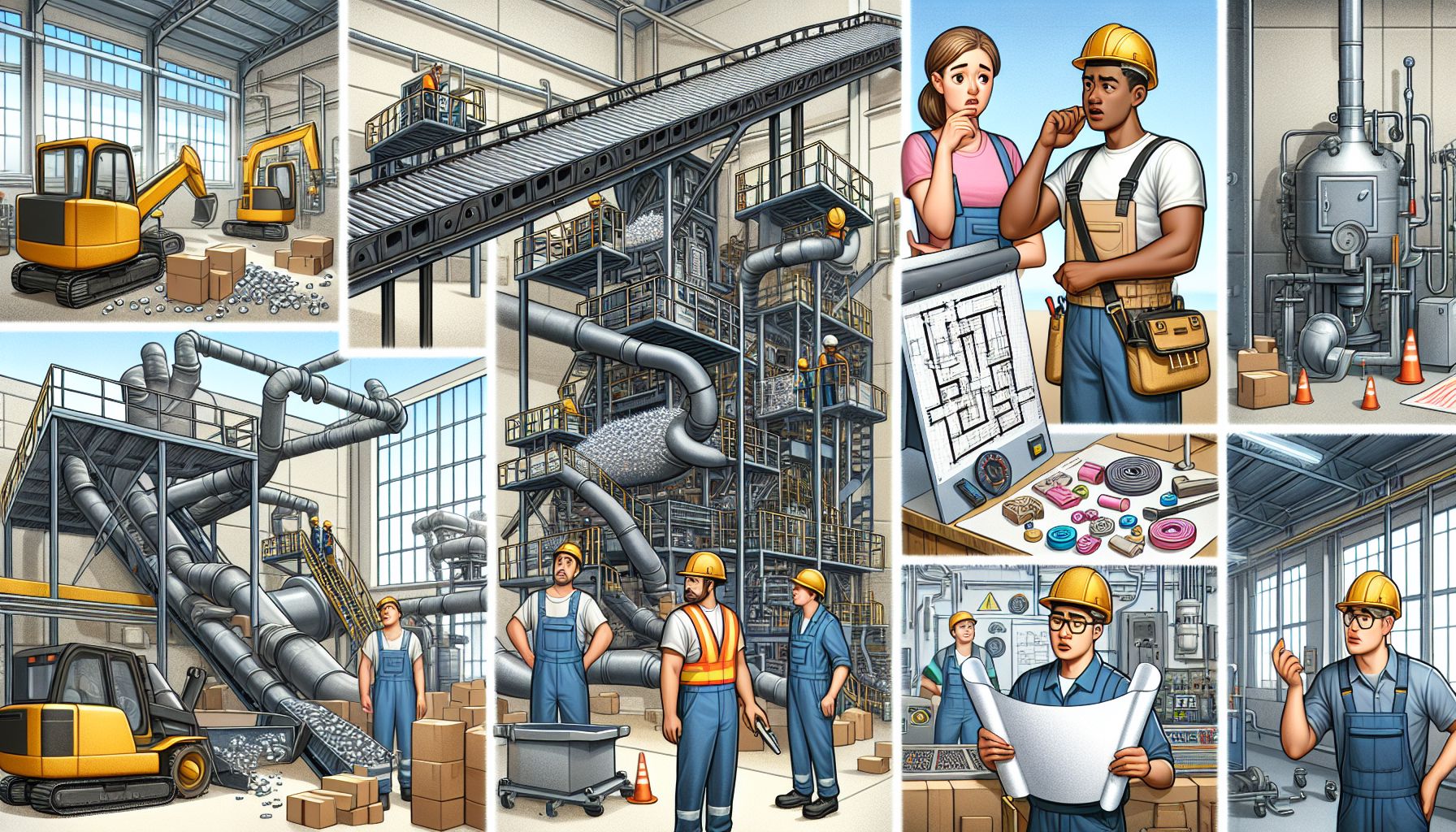
Industrial facilities, whether in manufacturing, processing, or distribution, rely heavily on various types of equipment to effectively perform their operations. However, when acquiring new machinery, many facilities make common mistakes. These errors can lead to efficiency losses, operational disruptions, increased costs, and even safety risks. Here is an overview of common equipment selection mistakes and how to avoid them.
Ignoring Energy Efficiency Aspects
When selecting industrial equipment, organizations often focus on the machinery’s key operational characteristics – such as capacity, speed, and flexibility – while neglecting energy efficiency. Equipment that uses power inefficiently can greatly increase the facility’s energy costs and environmental impact. Energy-efficient equipment can deliver considerable long-term savings and comply with sustainability regulations.
The U.S. Department of Energy provides extensive industrial equipment efficiency guidance to help organizations select energy-smart machinery. Ignoring this aspect in the decision-making process can lead to overlooked opportunities for operational and cost improvements.
Neglecting Long-term Operational Costs
Another common mistake is focusing solely on the purchase price while ignoring the long-term operational cost of the equipment. The lifecycle costs of industrial machinery often significantly exceed their initial purchase price. These include energy costs, maintenance, parts replacements, repairs, downtime, and disposal. Focusing too much on the upfront cost might lead to purchasing equipment that is expensive to maintain and operate in the long term.
Not Matching Equipment to Actual Operational Requirements
There is often a tendency to oversize equipment – for example, buying a machine with a higher capacity or speed than necessary. This mistake can lead to higher purchase and operational costs, wasted capacity, and increased wear and tear. On the other hand, undersized equipment might not meet operational requirements, leading to productivity issues.
Before purchasing, it’s important to clearly define operational requirements and select equipment that closely matches these needs. Accurate data about the process or requirements can help; resources like the National Institute of Standards and Technology can provide helpful industrial standards and guidelines in this regard.
Overlooking Training and Safety Considerations
Industrial equipment often requires trained operators to function safely and efficiently. Overlooking the need for training when selecting new machinery can lead to multiple issues, including operational inefficiencies, equipment mishandling, and safety incidents.
Safety is another often-overlooked factor. Equipment that is difficult to use safely can lead to employee injuries and regulatory violations. The Occupational Safety and Health Administration provides safety guidelines for various forms of industrial equipment.
Ignoring Future Needs
In the rapidly advancing industrial sector, selecting equipment solely based on current needs can lead to suboptimal decisions. Rapid technological advances mean that equipment could become rapidly outdated and unable to meet future requirements. While difficult to predict with certainty, organizations should consider likely future needs, such as expanding output, diversifying their product or service offerings, or meeting evolving safety and environmental regulations, when selecting equipment.
Conclusion
Avoiding these common mistakes in equipment selection can help resource-intensive industrial facilities maintain their operational efficiency and financial performance while complying with safety and environmental regulations. Being mindful of the complete equipment lifecycle, from acquisition through operation and disposal, is key to making informed, effective equipment selection decisions. Thoughtful consideration of current and likely future needs can result in cost savings and greater equipment utility, enhancing the overall success of an industrial facility.