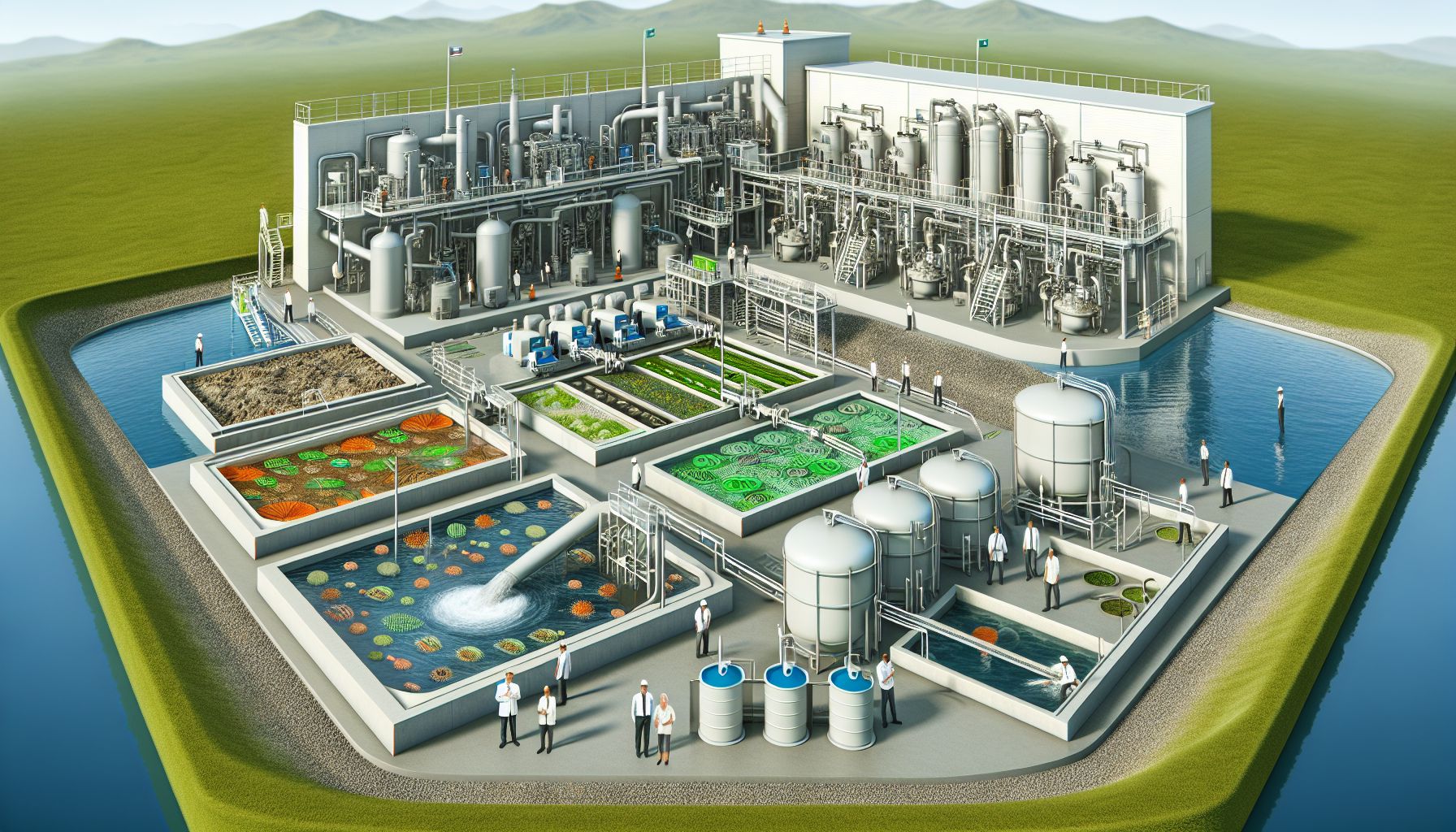
Industrial wastewater treatment is an essential component of many manufacturing processes. Discharges from factories, power plants, and other industries can contain pollutants harmful to both human health and the environment. Strict government regulations necessitate a comprehensive industrial wastewater treatment system to ensure wastewater complies with laws and guidelines.
Understanding the Basics
Manufacturing processes such as cleaning, dying, cooling, or chemical synthesis generate various types of industrial wastewater. Each facility will produce wastewater with different characteristics, so understanding your specific needs is vital. A beverage manufacturer, for example, will produce different wastewater than a metal processing plant, and therefore require different treatment methods
Identifying Legal Requirements
There are strict federal and state regulations in the US governing how industries manage and treat their wastewater. The Clean Water Act, and additional state regulations, mandate that industrial facilities must have a National Pollutant Discharge Elimination System (NPDES) permit if they discharge wastewater directly into a lake, river, stream or ocean. This permit limits the amount of pollutants that can be in the water discharged, and requires regular monitoring and reporting to the Environmental Protection Agency (EPA).
It’s also important to understand your specific industry’s compliance requirements. For instance, the Food and Beverage industry and the Pharmaceutical industry have unique requirements for water quality and safety.
When selecting your system, you should therefore prioritize solutions that will ensure your compliance with these standards.
Choosing the Right Industrial Wastewater Treatment System
There are numerous industrial wastewater treatment solutions available. However, not all of these will be applicable or beneficial for your specific needs.
Mechanical or physical systems, for example, are best suited to removing solids or sediment from wastewater before it is discharged, while biological systems use organisms to break down organic contaminants. Chemical treatments, meanwhile, involve adding chemicals to alter the wastewater’s pH, reduce bacteria levels or remove specific contaminants.
Understanding the exact nature of your wastewater, and which contaminants must be removed to meet compliance, will help you single out suitable systems.
Cost and Operational Considerations
Beyond compliance, other important factors to consider when choosing your wastewater treatment system include cost and ease of operation. Upfront cost is a major aspect – systems requiring significant infrastructure development will have higher initial costs.
However, it’s essential to also consider long-term operating costs. Operations, maintenance and compliance monitoring, as well as possible compliance violation fines, could potentially add up to a significant sum.
Ease of operation is equally important. While complex systems may offer higher levels of treatment, their complexity could lead to greater chances of operator error and consequent non-compliance. Therefore, you may want to opt for simpler, more reliable systems if your compliance needs allow.
Working with an Expert
Given the potential complexities of industrial wastewater treatment and the legal requirement for compliance, partnering with an expert in the field can be invaluable. They can assist you with accurately identifying the nature of your wastewater, system selection, installation and operational training – all crucial to maintaining compliance.
Industrial wastewater treatment is not a ‘one size fits all’ process. Understanding your specific wastewater characteristics, compliance requirements, and operational needs will guide you in selecting the right system. Remember that compliance is key, and working with an expert will ensure that you navigate these requirements effectively.
[^1^]: Industrial Wastewater Treatment – Syracuse University