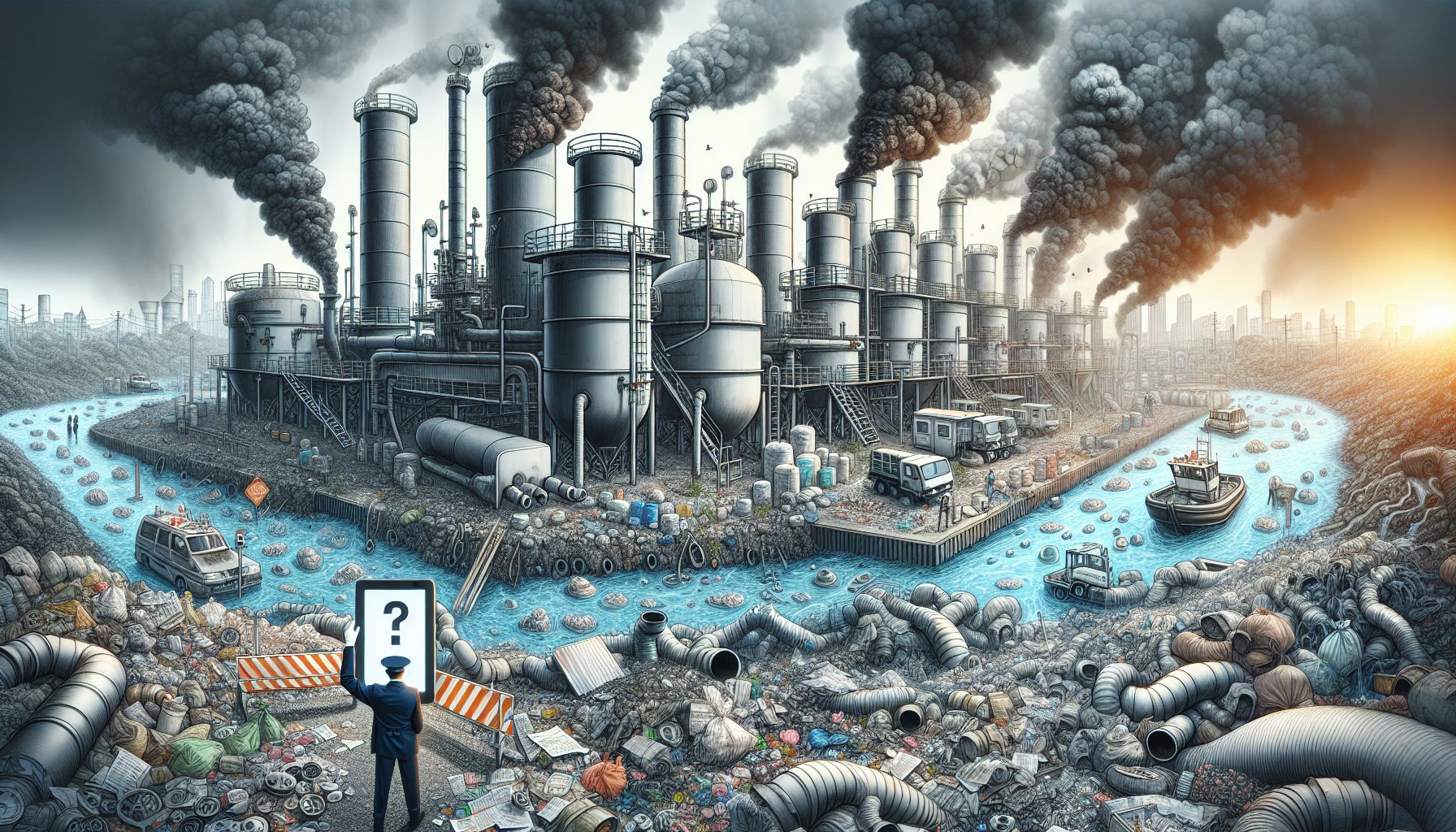
Pretreatment processes are vital stages in the management and regulation of wastewater. They serve to protect both public health and the environment by ensuring that harmful pollutants are removed before industrial wastewater is discharged into local water bodies. However, when these process fail, they can trigger regulatory enforcement.
What is Pretreatment?
In the context of wastewater management, pretreatment refers to the reduction or removal of pollutants in industrial wastewater before they are discharged. The goal is to prevent the introduction of pollutants that could pass undeterred through a municipal wastewater treatment plant, with potential damage to the environment or human health.
According to the United States Environmental Protection Agency, “The pretreatment program requirements focus on industrial users that discharge to Publicly Owned Treatment Works (POTWs). POTWs treat domestic, commercial, and industrial wastewaters before they are released into the environment.” In other words, all industries that release waste into the public sewage system are required to pretreat their wastewater in accordance to EPA regulation.
Failures in Pretreatment Processes
There are several ways in which pretreatment processes could fail, triggering regulatory enforcement. These failures could result from mechanical issues, personnel errors, or operational malfunctions.
Mechanical Failures
Mechanical failures can occur in any component of the pretreatment system, from pumps and valves to filtration or sedimentation units. Aging infrastructure is a common cause of mechanical failure, as elements degrade over time and require repair or replacement.
For example, a pump failure could prevent the efficient removal of suspended solids, while a malfunctioning filtration unit could allow harmful substances to pass through into the sewer system.
Personnel Errors
Well-trained personnel are critical to the successful operation of pretreatment systems. Mistakes made by staff, whether due to lack of training, carelessness, or misunderstanding, could result in significant pretreatment failures.
Examples of personnel error may include improperly calibrating equipment, neglecting regular inspections and maintenance, or not adequately monitoring the quality of the pretreated water.
Operational Malfunctions
Operational malfunctions may occur when processes are not organized or managed effectively. This can happen when schedules are not adhered to and routine maintenance and checks are delayed or ignored. Additionally, unpredictable situations such as accidents or emergencies can cause disruptions that result in a failure of the pretreatment process.
Impacts of Pretreatment Failures
The consequences of pretreatment failures are not only harmful to the environment, but also carry significant financial implications for the businesses involved. These can include regulatory fines, cost of repairing damage to the POTW, and potential liability for any environmental damage.
Regulatory Enforcement
When patterns of high pollutant levels are detected in wastewater discharges, this may trigger an investigation by regulatory bodies. If the source of these pollutants is traced back to an industry’s pretreatment processes, regulatory enforcement follows.
Enforcement may include warnings, fines, or legal action to ensure the industry complies with pretreatment program requirements, and corrects any flaws in its pretreatment processes.
Prevention and Compliance
Prevention of pretreatment failures is essential to avoid legal penalties, environmental damage, and associated costs. Regular system checks, maintenance, and proactive repairs can prevent mechanical breakdowns. Increased education and training for industry personnel on proper operation and maintenance of pretreatment systems can decrease the risk of errors.
It’s important to remember, compliance with pretreatment program requirements isn’t just about adhering to the law. It’s about upholding a commitment to protect our environment, and the health and safety of the public. By understanding the causes of pretreatment failures, industries can better work to prevent them and ensure ongoing compliance.